
BOTTOM LINE UP FRONT
Two days with the Canadian-led NATO Multinational Brigade Latvia (MNB-LVA) surfaced one overriding finding: NATO’s multinational command and control architecture has a critical seam. Sovereign capability built for interoperability, procurement reform, and venture capital all have a role in closing it. That gap is ONE9’s mission.
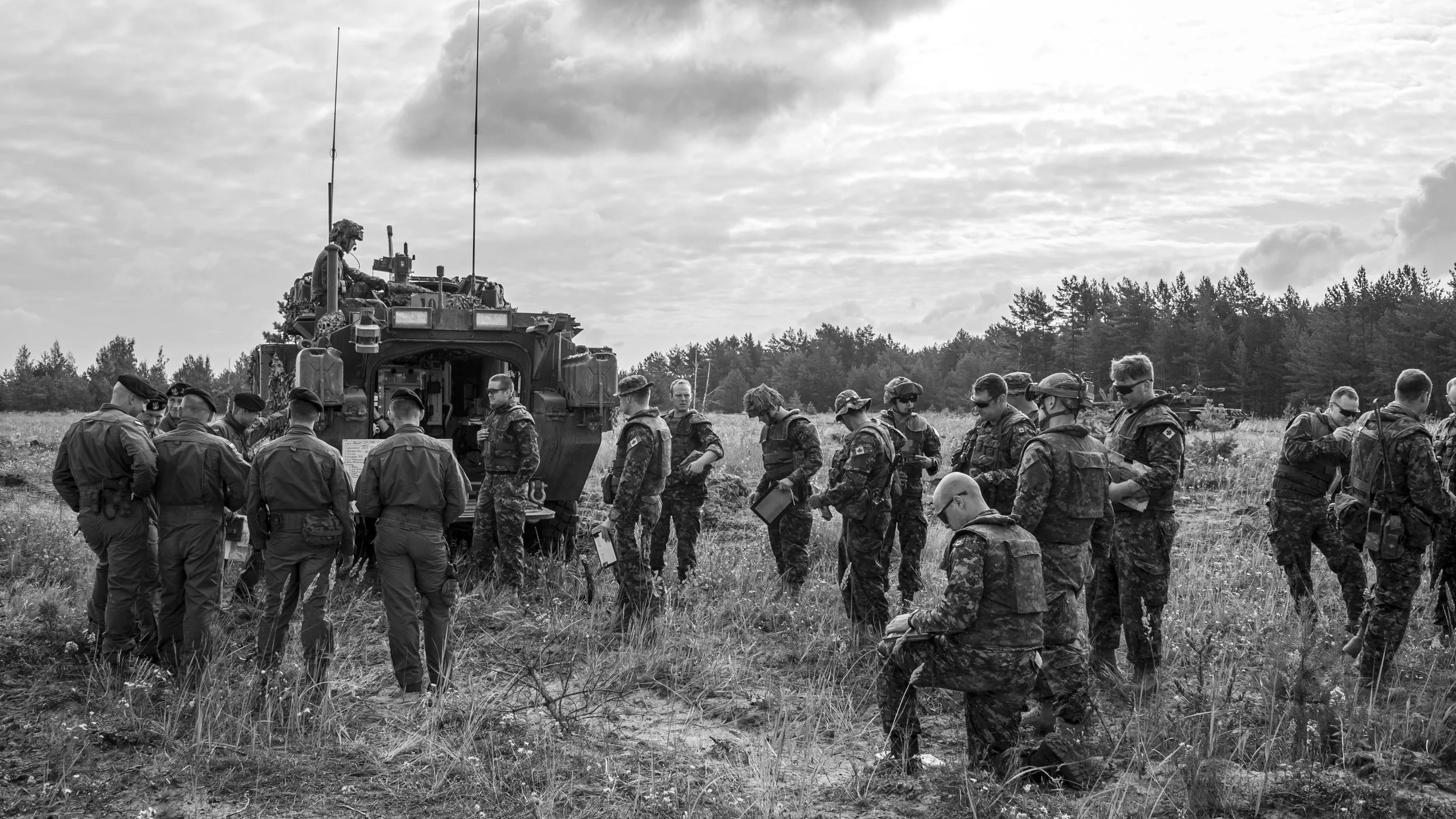
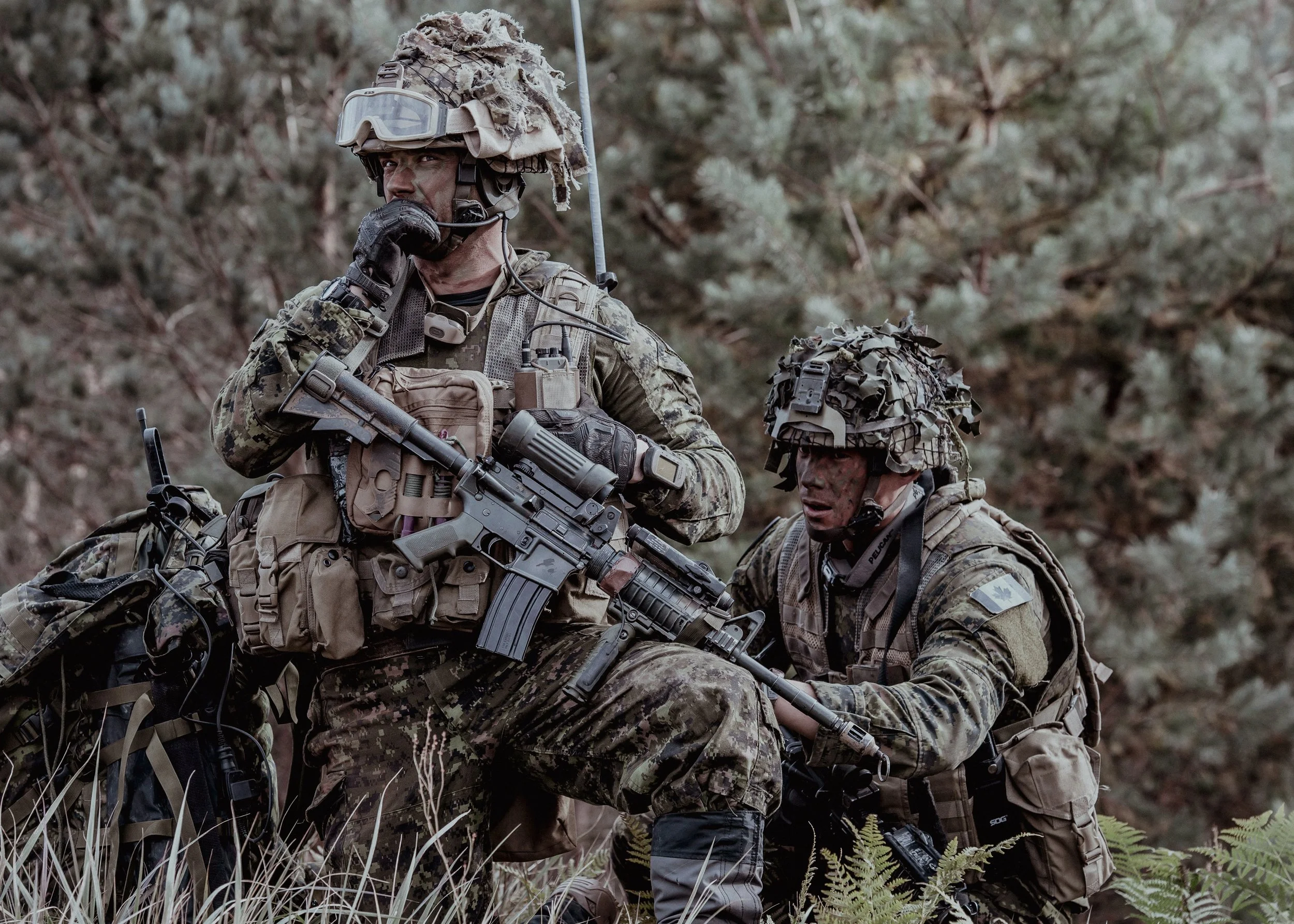
IMG // CAFNATO’s Multinational Brigade Latvia (MNB-LVA) is a rotational multinational formation deployed on the alliance’s eastern flank in response to Russian aggression. Led by Canada, and commanded by Colonel Kris Reeves, the brigade is comprised of military personnel from more than 10 NATO nations, exercising command and control across multiple national contingents, each bringing distinct capabilities, communications architectures, and tactical procedures. It is operationally demanding, strategically significant, and intensely complex.
INTRODUCTION
On 24–25 April 2026, Glenn Cowan, Founder and Managing Partner of ONE9, conducted a forward engagement visit to the MNB-LVA. As a security-focused venture capital firm, ONE9’s mission is to deliver outsized returns to investors while solving national security challenges through innovation. We find, fund, and scale the companies delivering critical capabilities for defence and national security end users, as well as security conscious and critical enterprise customers. The visit was consistent with ONE9’s foundational operating principle: a bias for action and a commitment to engaging as far forward as possible. Operational ground truth over LinkedIn chatter from newly minted defence experts. This report shares that truth while respecting operational sensitivities.
Key objectives of the visit included:
Assess current operational environment and capability gaps facing the MNB-LVA
Gain direct insight from Canadian, Latvian, and NATO military leadership on warfighting priorities and technology needs
Identify near-term, high-impact capability opportunities where ONE9 portfolio companies can deliver value to warfighters
Understand the gaps and opportunities that venture capital can address at the tactical edge ONE9’s specialist domain expertise
DAY 01
I spent Day 1 entirely in the field alongside Colonel Reeves (or 99er TAC, the Commander’s callsign) as the MNB-LVA brigade was fully deployed on a live validation exercise. We spent much of the day traveling in Colonel Reeves’ LAV VI command vehicle, moving between formations and engaging directly with his key commanders and their teams.
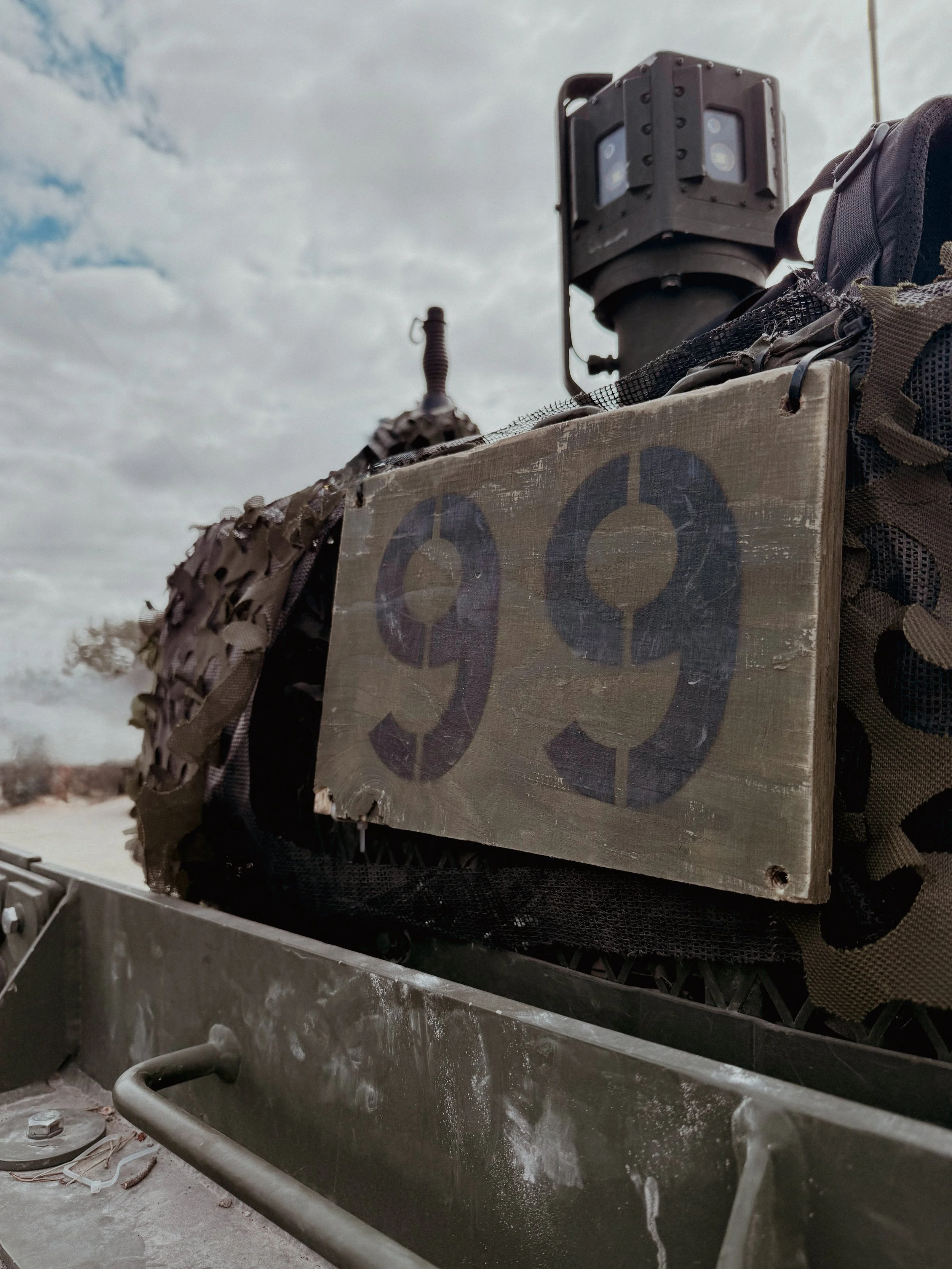
IMG // GLENN COWAN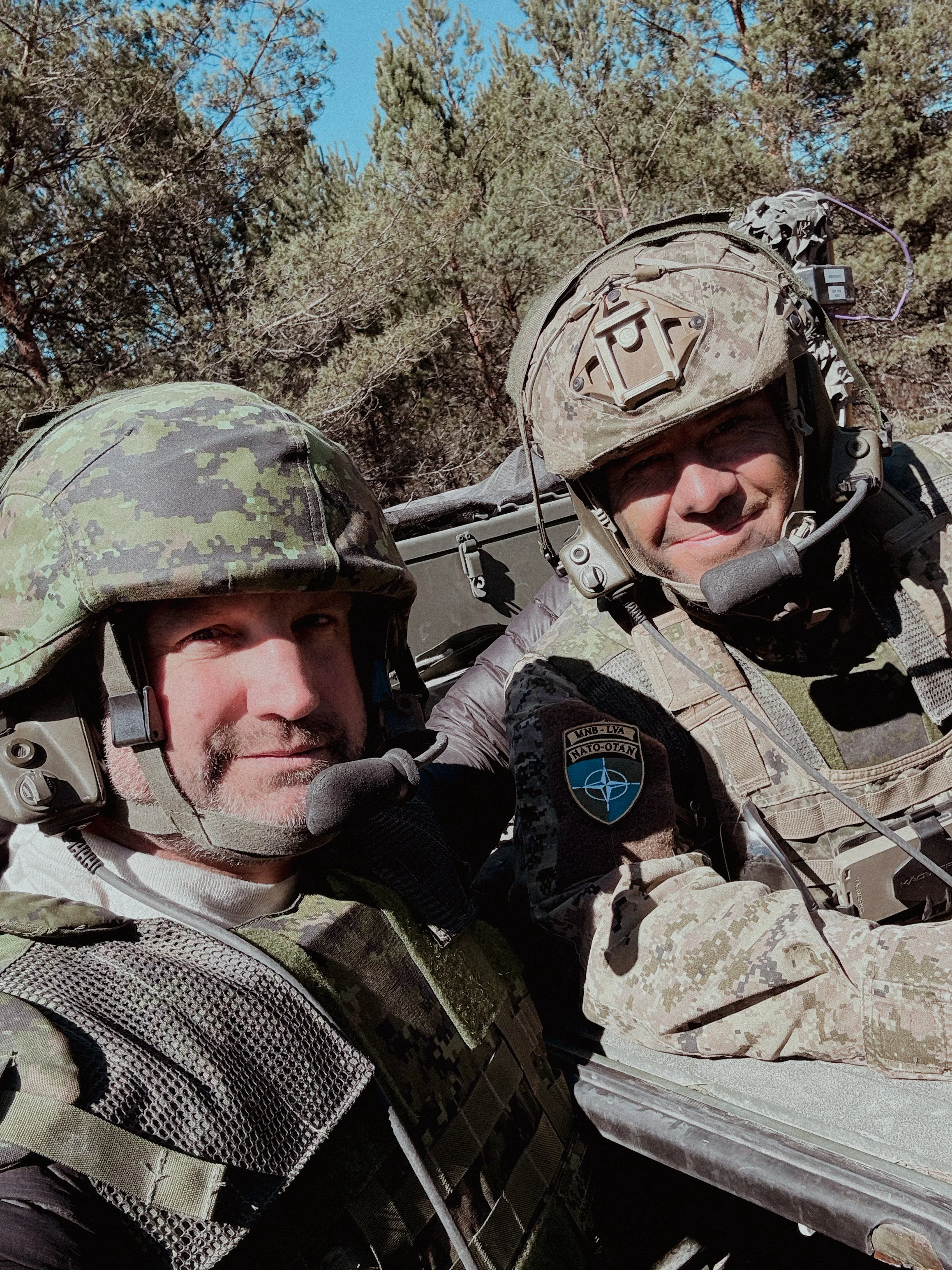
Engagements throughout the day included the Swedish Battle Group Commander, the Canadian Battle Group Commander and their respective leads for Intelligence, Surveillance, and Reconnaissance, (ISR) and Fires, the sustainment, logistics and maintenance support group, and the medical trauma center. Each engagement offered a candid and unfiltered look at how the MNB-LVA operates at the tactical edge.
A personal highlight was time spent sitting on the ramp with soldiers from the 2nd Battalion Royal Canadian Regiment (RCR). As a former soldier, being back amongst men and women in the field carried a weight that is difficult to articulate. What stood out was not just their professionalism and focus, but their openness. These soldiers were candid about their needs, sharp in their ideas, and genuinely enthusiastic about innovation. They are not waiting to be handed solutions.
In my experience, Canadian soldiers have a keen ability to “do more with less” and now that the coffers are opening and there is momentum for rapid adoption and streamlined procurement, they are actively thinking about how to build and field the most capable military technology possible. That mindset, at the coal face of the operational environment, is exactly what ONE9 exists to serve.
DAY 02
Day 2 took me east to link up with senior Latvian commanders whose formations were actively deployed, exercising, and validating a real time sensor fusion capability.
What the drive east made viscerally clear is that Latvia is not an abstraction. This is a country shaped by centuries of conflict and carrying deep and living memory of occupation and war in the 20th century. Every road, bridge, open stretch of terrain and wooded tree line is not scenery; it is ground. The MNB-LVA and their Latvian counterparts are actively thinking, planning and war gaming every kilometre of it. That reality does not feel distant or theoretical when you are moving through it.
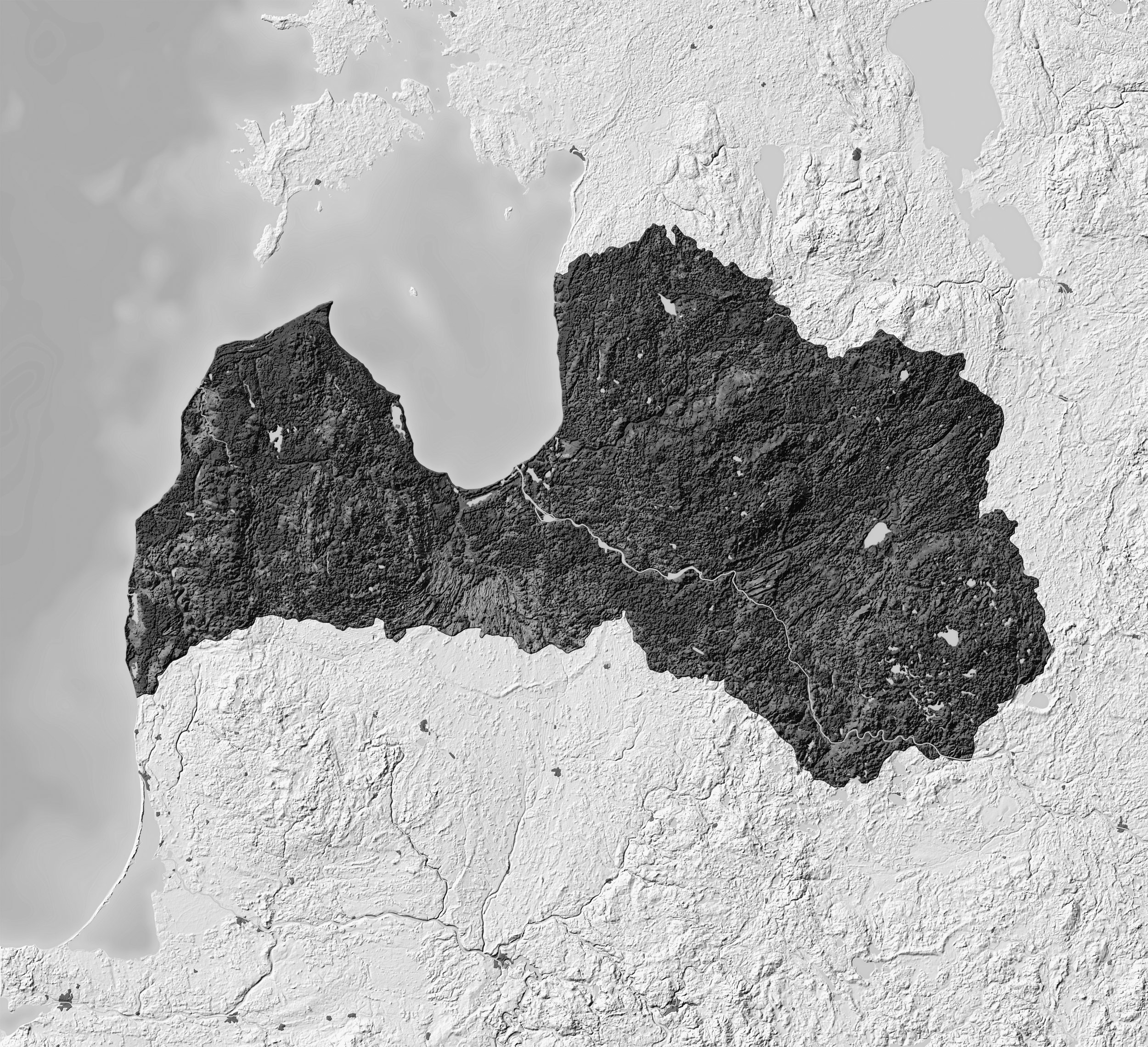

IMG // ADOBE STOCKEven in the context of an exercise, the weight of the mission was impossible to ignore. A Canadian brigade is not here on a training rotation. They are NATO’s vanguard on the eastern flank. Should the Russian war in Ukraine expand or shift toward neighbouring countries, these are the soldiers, commanders and systems that stand in the way. For ONE9, that translates to an urgent investment mandate: the threat is real, the window to deliver capability is compressed, and these soldiers deserve the best that private sector innovation can provide.
KEY FINDINGS & OBSERVATIONS
My visit surfaced significant observations across a range of tactical capability areas including counter unmanned air systems (cUAS), the integration of drones and robotics, and real time sensor fusion. In the interest of operational security, the specifics of those discussions are not captured here. What is captured is the single most consequential finding of the engagement; one that sits above platform and system level capability gaps and cuts to the heart of how NATO fights.
COMMAND AND CONTROL ACROSS A MULTINATIONAL BRIGADE
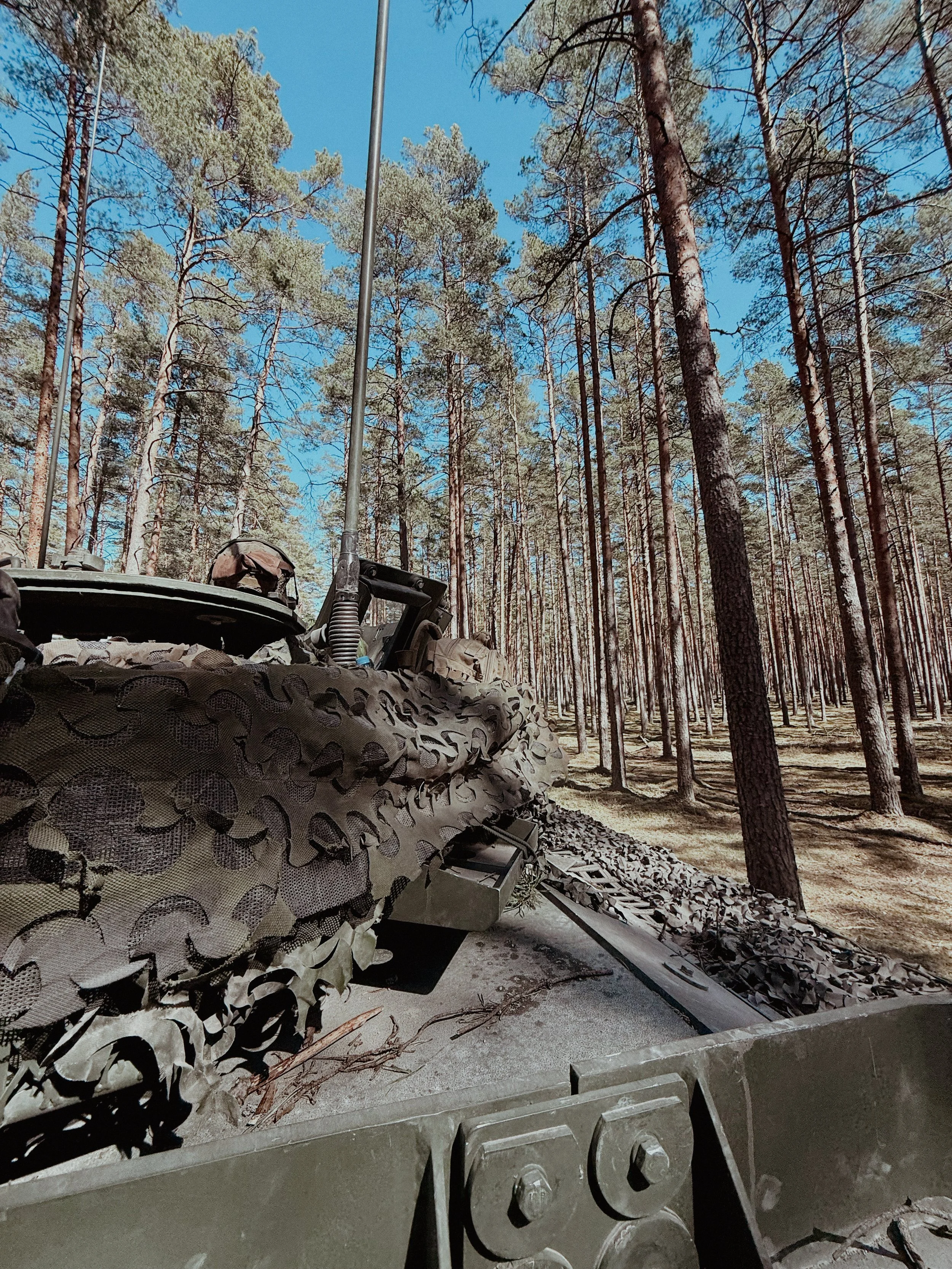
The most significant challenge observed was Command and Control (C2) at the multinational brigade level. Operating as a MNB-LVA, the formation brings together soldiers, systems, and headquarters elements from 10+ NATO nations, each carrying their own sovereign C2 architecture, communication protocols, and technology stacks. The result is a seam that forces a manoeuvre element to deviate from their tactics, techniques and procedures (TTPs) and insert ad hoc, expedient solutions. In conflict, when the fog of war is real and no plan survives contact with the enemy, seams are where things fail.
Rather than a criticism of any single nation or system, this is an honest assessment of a structural problem all members of the NATO alliance face and that no single nation has yet solved. The challenge of achieving seamless, interoperable C2 (insert your full C2 acronym ex: pan domain JADC2) across a multinational formation is one of the most complex and consequential capability gaps in the alliance today.
IMG // GLENN COWANTHE SOVEREIGN CAPABILITY TENSION
There is a real and legitimate imperative for nations to build sovereign capability. The drive to buy Canadian, to develop and own indigenous defence technology, reflects sound strategic thinking about industrial capacity, supply chain security and national resilience. ONE9 is a firm advocate for that position. But no military ever fights alone.
A Canadian brigade deploying as the foundation nation of a NATO multinational formation does not have the luxury of operating in isolation, nor does it want to. The ability to communicate, share a common operational picture, integrate fires, ISR, and logistics across allied formations is not optional; it is foundational to mission success. Sovereign capability that cannot integrate with allies is sovereign capability that fights at a disadvantage.
The constructive reframe is this: sovereign capability and multinational interoperability are less opposing forces and more design requirements. Middle powers like Canada will always face a practical ceiling on how much sovereign capability they can field across the full spectrum of modern warfighting. The breadth, complexity, and cost of building and sustaining a complete indigenous defence technology stack is beyond the realistic reach of any single middle power nation acting alone. This is a strategic reality that demands a deliberate response.
That response is deepening core, reliable partnerships. Not broad, shallow alliances of convenience, but trusted partnerships with allied nations and industry that are built to endure, to share burden, and to scale. When sovereign capability is designed with interoperability as a first principle, and when that design is developed in concert with trusted partners, the economics change. The extraordinarily expensive business of building and sustaining cutting edge defence technology becomes more achievable when development costs, integration work and fielding infrastructure can be shared across a coalition of partners striving toward the same outcome. That is how middle powers achieve or strive toward economies of scale in defence innovation.
For ONE9, this is not an abstract policy position; it represents one of the most clearly defined and highest impact investment and innovation opportunities to emerge from this engagement. Build Canadian. Design for allies. Partner deliberately. That is how sovereign capability becomes strategically relevant capability, and how the gap I witnessed first-hand at MNB-LVA begins to close.
IMG // CAFCLOSING OBSERVATIONS
This dispatch would not be complete without acknowledging what was perhaps its most enduring impression: Canadian soldiers are world class. Across two days in the field, what stood out was the sheer professionalism, mission focus, and warrior mindset of every soldier encountered. From senior commanders to troops on the ramp just shooting the sh*t, there was clarity about the threat and commitment to the mission.
The geopolitical stakes are clear. The rules-based international order faces mounting pressure. Threats once distant are now on NATO’s doorstep. Canada has soldiers forward deployed, leading a multinational brigade, holding the line. We are in good hands.
For those of us not on the front line, we must take advantage of this rare moment when capital and willpower are converging. Along with overdue procurement reform, we now have the opportunity to deliver much needed capabilities at the speed the threat demands.
Many of us at ONE9 have taken the uniform off, but we still strive to find ways to serve. We are honoured to play whatever part we can in ensuring our Canadian Armed Forces, and our allies, have every advantage when it matters most.
To those considering testing NATO’s resolve: advancing will prove costly. You will face the Canadian Armed Forces and their allies—ready, capable, and willing. Our soldiers at the tip of the spear deserve capability built at the speed the threat demands.